Packing and Boxes in Keele University
Why smart packing matters at Keele

Packing and Boxes in Keele University isn't just a seasonal chore — it's a practical skill that saves time, money, and stress for students, staff, and families. Whether you're arriving for the first term, returning from summer break, or moving household items off campus, thoughtful packing reduces damage, simplifies transport, and helps you stay organized. Many students underestimate how much space and weight boxes can add; good planning means fewer trips between Keele campus and nearby towns, and fewer last-minute purchases of replacement items.
When considering packing for life at Keele, think beyond the dorm room. The campus lifestyle often includes trips to local thrift shops, markets, and home stores in Newcastle-under-Lyme and Stoke-on-Trent. Choosing the right moving boxes and packaging supplies protects electronics, books, lab equipment, and even sentimental items like posters and framed photos. Skilled packing protects fragile items and makes setting up a new room or flat much quicker — and who doesn't want more time to explore Keele's green spaces and student activities?
Universities present unique packing challenges: shared facilities, limited storage space, and differing room sizes mean strategic use of packing boxes and containers matters. With the right boxes and packing methods, you can maximize storage under beds, inside wardrobes, and in communal storage rooms. Consider using clear labels and a simple inventory — it makes unpacking faster and helps if you need to store belongings in a temporary storage unit near Keele University.
Essential packing supplies and the best boxes for Keele moves
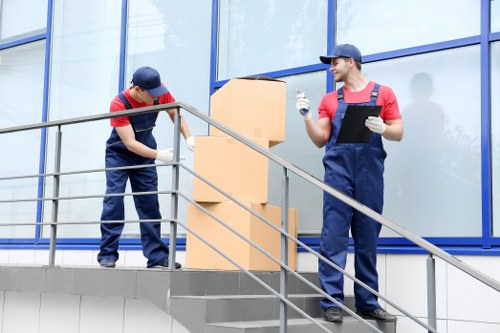
Choosing the best packing boxes for a move to or from Keele University affects cost and convenience. Standard corrugated cardboard boxes are versatile and widely available, while specialized boxes (dish packs, wardrobe boxes, and file boxes) protect fragile or bulky items. Consider double-walled cartons for heavier loads like textbooks and kitchenware. Smaller moving boxes are ideal for dense items such as books, while medium boxes fit clothes and soft goods. Labeling boxes on multiple sides helps when stacking in halls or transport vans.
Beyond boxes, essential packing supplies include strong packing tape, bubble wrap, packing paper, markers, and plastic storage bins. Reinforced tape and corner protection prolong the life of boxes, and simple dividers or towels can prevent glassware from shifting. For tech gear and delicate instruments common among Keele students (laptops, cameras, lab equipment), padded cases and foam inserts make a big difference. If you value sustainability, many local stores near Keele offer recycled boxes or hull-shaped biodegradable alternatives.
Be mindful of sizing when selecting boxes: halls of residence often have strict size or weight limits for corridor access and lift capacity. To avoid fines or refused deliveries, confirm dimensions with your accommodation office and measure staircases and elevators when moving large furniture. For campus deliveries, flat-packed boxes or collapsible crates are convenient because they fold down for storage between semesters.
Step-by-step packing strategy for students and staff

Start early: one of the most effective strategies for packing at Keele University is to start several weeks before your move date. Create a simple checklist broken down by room and by item category (clothing, kitchenware, study materials, electronics). An initial sort into keep, donate, recycle, and store piles reduces clutter and identifies which items you truly need in your new space. This also lowers the total number of boxes required and the cost of transport.
An ordered approach speeds unpacking. Pack room-by-room and label each box with content and destination room, using color-coded tape or large printed labels for clarity. For fragile items, mark boxes with "Fragile" on at least two sides and note which side should face up. If you're sharing a flat, document communal items (kettle, toaster, cleaning supplies) so responsibilities stay clear. Keep an essentials box for moving day with toiletries, a kettle, basic cutlery, chargers, and a change of clothes.
When loading boxes into a vehicle, heavy items go in first and at the bottom; lighter, fragile boxes stay on top. Secure everything to prevent shifting during transport — straps, ropes, or non-slip mats are helpful. For longer-distance moves or if you prefer assistance, look into local man-and-van services and student-friendly removal companies that understand Keele University layouts. Many providers offer hourly rates or flat fees for student moves, and booking in advance can save both stress and money.
Storage solutions, moving services, and eco-friendly packing near Keele

Storage options near Keele University range from short-term student storage units to long-term warehouse solutions. If you have seasonal items or bulky furniture, local self-storage facilities offer flexible contracts and secure spaces. Many students use storage during the summer months when accommodation contracts end. Compare units by price per square foot, security features, and access hours. Some providers offer student discounts or package deals for shared units, which can be economical when teaming up with flatmates.
Eco-conscious packers will appreciate second-hand and rental options for boxes and packaging. Reused boxes and linen-packed crates reduce waste and are often cheaper than buying new. Several community initiatives around Keele and Newcastle-under-Lyme facilitate box exchanges at the end of term. Remember to recycle or compost packing paper rather than sending it to landfill. Using reusable plastic crates for frequent moves is a practical investment for students who plan multiple relocations during their course.
Professional movers familiar with the area can streamline the process. Many local firms know campus access rules, parking restrictions, and the best times to avoid traffic. If you have lab equipment or sensitive items, ask about insurance and padded handling. For budget-conscious students, student-run move collectives or university-arranged van-sharing schemes are common — they reduce individual costs and help new students settle in quickly. Don't forget: book early in high-demand periods (start and end of semesters).
Local areas near Keele University and how they affect packing needs

Understanding nearby towns and villages helps tailor packing and box choices to your destination. Proximity, housing type, and outdoor space influence what you bring and how you pack. For example, a flat in Newcastle-under-Lyme may have limited storage and require compact, stackable boxes, while a house in a village like Silverdale might include a garden shed where you could store seasonal items. Below we list the 12 closest areas, noting how each locale's character affects packing, storage, and even gardening-related needs.
When preparing for move-in, consider local amenities too: garden centres, recycling points, and hardware stores can supply last-minute packing supplies. If you're transporting gardening items — pots, tools, soil mixes — secure them in sealed boxes or bins to avoid spills. Many nearby areas offer allotment plots or community gardens; if you plan to garden, pack lightweight hand tools and label soil bags clearly to meet transport rules.
Local areas and what to consider for packing and gardening:
- Keele (Campus & Village) — Immediate proximity: minimal travel. Student rooms and campus housing usually have limited storage, so choose stackable boxes and slim storage solutions. Gardening opportunities are communal green spaces; small hand tools and potting trays are sufficient.
- Newcastle-under-Lyme — 3–5 miles away: urban town housing with many terraces and flats. Compact packing and vertical storage are useful. Local garden centres are plentiful for buying compost and planters upon arrival.
- Stoke-on-Trent — 6–10 miles away: larger city with varied housing stock and many packing supply stores. If moving here, you can buy bulky boxes locally; allotments tend to be well-served by gardening clubs.
- Chesterton — 2–4 miles away: residential suburb close to campus. Houses often have modest backyards; packing for outdoor items is straightforward, and many homes benefit from garden sheds.
- Silverdale — 4–6 miles away: village atmosphere with larger gardens. If relocating here, you may want to include larger outdoor furniture or larger plant pots in your packing list.
- Madeley — 6–8 miles away: a mix of town and village housing with easy access to hardware stores. Good if you need to buy gardening supplies or replacement boxes after moving.
- Kidsgrove — 7–9 miles away: suburban area with family houses and allotments. Ideal for those bringing bulky garden items — consider renting a small van or using reinforced boxes.
- Talke — 6–8 miles away: close-knit village community where many properties have modest garden spaces. Lightweight containers and handheld tools work well here.
- Audley — 8–10 miles away: semi-rural feel with larger plots and vegetable gardens. If you plan to tend a garden, pack seed packets and small planters; local gardening groups can offer resources.
- Whitmore — 6–9 miles away: rural hamlet surrounded by open land. Larger outdoor storage might be available, so plan to bring any seasonal furniture or tools securely packed for the journey.
- Wolstanton — 4–7 miles away: residential suburb with convenient shops. Good local access to packing retailers and community recycling for used boxes.
- Bradwell — 5–8 miles away: mixed housing, including family homes with gardens. Expect to bring boxed garden equipment and label items clearly for storage.
Packing tips specific to student life and campus accommodation
For students moving into halls, minimalism pays off: bring multi-purpose items and prioritize essentials. Use vacuum-seal bags for bedding and clothing to save space. If you plan to decorate, pack lightweight frames and adhesive-friendly decorations rather than heavy furniture. Consider routing bulky purchases (like microwaves or mini-fridges) to local stores that offer campus delivery to avoid transport hassles. Remember that many halls restrict certain appliances; check university accommodation policies ahead of time.
Shared kitchens mean coordinating with flatmates before bringing duplicates of pans, kettles, or toasters. Use a shared spreadsheet or a simple group chat to divide items and avoid unnecessary boxes. For electronic items—speakers, consoles, monitors—use original packaging if available, or create custom padding with towels and bubble wrap to fit into medium boxes. Mark which boxes contain communal items so they can be placed in shared spaces on move-in day.
When you move out, leave boxes flattened for recycling unless your accommodation collects them for reuse. Some student unions and local charities organize box-collection points at the end of term, saving time and helping the environment. If you have gardening equipment used on campus green projects, coordinate with the campus sustainability office to donate or store items between years.
How to pack fragile and valuable items for peace of mind
Packing fragile or valuable items requires more attention. Wrap glassware and ceramics individually in breathable packing paper, then place them upright in boxes with dividers if possible. Use soft items like clothing and towels as extra padding to minimize the need for bubble wrap. For important documents, artwork, and certificates, consider a separate, clearly labeled box that you keep with you during travel rather than loading into a van.
For electronics, record serial numbers and take photos before packing — this helps with insurance claims in the rare event of loss. Store chargers, cables, and small accessories in labeled zip bags that are taped to the side of the main box or stored in a clearly marked tech box. If valuables are being transported long distances, look into transit insurance, or use a trusted courier service that offers tracking and secure handling.
Tip: Keep an essentials kit with medications, chargers, and your student ID close at hand. If you're traveling from farther afield, pack a small toolkit (screwdriver, Allen keys) to assemble basic furniture quickly once you arrive at Keele University.
Budgeting, renting, and swapping boxes — money-saving strategies
Moving can be costly, but there are many ways to reduce expenses. Reuse boxes from local shops or social media community groups that serve Keele and Newcastle-under-Lyme. Many students advertise free boxes near the end of term. Renting plastic moving crates can be a greener and often cheaper alternative to buying lots of single-use cardboard, especially for multiple moves. Some moving companies include crates in their service packages, which simplifies returns.
Compare quotes from student-friendly removal companies and check if they offer fixed-rate student deals or concessions for mid-week moves. For small moves, hiring a van and splitting costs with friends often reduces individual expenses. Keep an eye out for seasonal promotions at local hardware stores and garden centres if you need packing materials or plan to buy outdoor equipment for properties in the surrounding villages.
Don't forget to factor in time costs: starting early and coordinating with flatmates avoids the need for last-minute premium services. Plan, pack, and book in advance to stay within budget while ensuring your items arrive safely at your Keele University residence.
Eco-friendly disposal and recycling of boxes in the Keele area
When it comes to disposing of boxes, recycling is both simple and effective. Break down cardboard boxes and place them in your local recycling bin or take them to recycling centers in Newcastle-under-Lyme or Stoke-on-Trent. Many areas around Keele offer community recycling and composting programs that accept packing materials. If boxes are in good condition, consider donating them to charity shops or local student groups who reuse them.
For foam, bubble wrap, and plastic fillers, check local recycling guidelines, as these materials often require specialist handling. Some packaging stores offer take-back programs; alternatively, reuse bubble wrap for delicate items and keep a small supply between moves. Minimizing single-use plastic in packing not only reduces waste but often saves money when purchasing and disposing of supplies.
Action step: Before you throw packing materials away, ask around your accommodation or student union — many groups collect usable boxes for incoming students. If you have gardening containers or pots you no longer need, offer them to community gardens in nearby areas like Audley or Whitmore.
Final checklist and call-to-action
Use this short checklist to finish strong: confirm moving dates, reserve parking or loading bays if needed, label boxes clearly, prepare an essentials box, and book a mover or van in advance. Double-check accommodation rules at Keele University and keep important documents with you. For those with gardening plans, pack seed packets, gloves, and small tools in clearly labeled containers to avoid mess during transit.
Ready to simplify your move? Contact us today to discuss packing supplies, storage options, or trusted local movers who know Keele University. If you prefer hands-on help, book your service now to secure a slot during the busiest weeks of term turnover. Booking early ensures the best rates and reduces last-minute stress.
Whether you're a first-year student, postgraduate researcher, or staff member relocating to the area, smart packing combined with local knowledge makes the transition to Keele University smoother. Embrace sustainable packing choices, take advantage of community resources, and make your move to or from Keele a well-organized experience.
Quick reference: packing supplies and where to find them locally
Here are common supplies and quick suggestions on where to source them near Keele University: cardboard boxes (local hardware stores, online marketplaces), packing tape (supermarkets and stationers), bubble wrap and protective sleeves (packaging shops), reusable crates (rental services), and tools for furniture assembly (DIY stores). Many high-street shops in Newcastle-under-Lyme and Stoke-on-Trent stock these items, and local student platforms frequently list free or cheap boxes during move-out weeks.
If you need specialised boxes for fragile or bulky items, consider ordering them in advance online and arranging campus delivery where possible. Some moving companies provide complimentary packing materials with their service, which can streamline the entire process. Always compare price and environmental options to find the best fit for your move.
Finally, keep in mind that good packing is not just about materials — it's about planning, labeling, and choosing the right solutions for your specific accommodation and nearby area. With the right approach, moving to or from Keele University can be an efficient, low-stress experience.