Smart Strategies for Home Moves in Today’s Busy World
Why careful planning matters for Home Moves in every season
Understanding the scope and setting realistic expectations
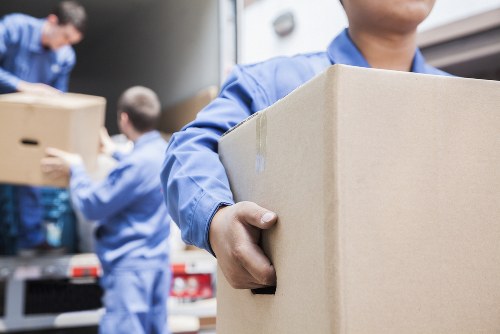
Home moves in can feel overwhelming, whether you are relocating across town or across the country. The key to a smooth transition is planning: mapping timelines, arranging services, and preparing your belongings physically and mentally. When people research home moves in their area, they often look for practical checklists, cost-saving tips, and ways to protect treasured items during transit. A clear plan reduces stress and helps keep the move on schedule.
Start early—at least eight weeks ahead of your moving date for typical residential moves. Identify high-priority tasks like notifying utilities, scheduling professional movers or renting a van, and organizing paperwork for closing dates or lease-end obligations. Effective planning also includes budgeting: estimate the costs of hiring movers, packing materials, insurance, and any temporary storage you might need.
For families, pets, or those with mobility limitations, planning takes on an added layer of importance. Discuss responsibilities with housemates, arrange childcare or pet care on moving day, and ensure that fragile or medically necessary items are packed separately and easily accessible. With thoughtful preparation, your home moves in experience can be efficient, safe, and even energizing.
Practical packing steps to simplify a home move
Packing smart: materials, techniques, and timelines

Packing is where most people spend a lot of time during a move, and it's also where small decisions yield the biggest benefits. Use quality packing materials—sturdy boxes, bubble wrap, packing paper, and strong tape—to keep items safe. Label every box with room, contents, and orientation notes like "fragile" or "this side up." This saves time when unpacking and reduces the risk of damage.
Home moves in often require decluttering before packing. Sort items into keep, donate, recycle, or discard piles. Downsize as much as possible; fewer items mean lower moving costs and less time unpacking. For seasonal clothes, books, and décor, consider donating or selling things you haven't used in a year. A small yard sale or online listing can offset moving expenses.
For electronics, create a system: take photos of cable setups, label cords, and pack chargers with their devices. Use wardrobe boxes for clothing and dish packs for fragile kitchenware. For heirlooms and important documents, pack them in a separate, clearly labeled box and keep it with you during transport. These steps make unpacking at the new home faster and less stressful.
Choosing movers vs. DIY: pros and cons for every budget
Cost, convenience, and peace of mind

One of the first choices during a home move is whether to hire professionals or handle the move yourself. Hiring licensed movers brings convenience and expertise; professionals can wrap furniture, handle heavy lifting, and provide insurance for lost or damaged items. The trade-off is cost. For small budgets, DIY moves with a rented truck or moving pods can be more economical, but they require physical work and logistical coordination.
Consider hybrid options: hire movers for heavy or valuable items and do the rest yourself. This approach balances cost and convenience. If you choose professionals, check reviews, verify licenses, and request written estimates. Compare multiple quotes, but avoid choosing only by price; reliability and reputation matter. When researching, people often search keywords like "moving home in" or "residential movers in" to find local services with proven records.
Tip: Ask about peak season pricing—summer months tend to be busier and more expensive. Book early if your moving date falls during a holiday or popular moving season. Clear communication about access points, stairs, parking, and elevator usage will keep the move running smoothly.
Moving day essentials and logistics
How to coordinate people, parking, and timing
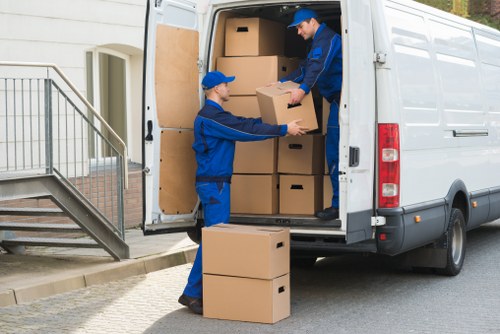
Moving day is the culmination of your preparation. Start early, and keep a checklist handy. Assign roles to helpers: one person to coordinate the movers, another to manage the inventory list, and someone to handle small last-minute tasks. Keep important documents, medications, valuables, and personal items in a single bag you carry with you. This home move in day kit is indispensable and prevents the panic of lost essentials.
Confirm parking arrangements and consider obtaining temporary permits if local regulations require them. Clear a path through the house for safe and efficient carrying. If you have elevators, reserve them for your contracted time. For homes with stairs, use furniture sliders and lifting straps when possible, or let professionals handle the heavy pieces to prevent injuries.
Communication is critical: keep the phone numbers of your moving company, helpers, and building managers handy. Use a simple inventory checklist to track which boxes went into which truck. This helps to verify everything arrives at the right destination and makes the unpacking phase far more manageable.
Protecting items and choosing insurance for home moves
Understanding valuation, liability, and extra coverage

Insurance for your move is often overlooked, but it can make a major difference if something goes wrong. Most professional movers offer basic liability coverage, which might not cover the full value of your possessions. Consider purchasing full-value protection or third-party moving insurance for expensive items. Read the fine print: some policies have exclusions or depreciation clauses for older items.
For high-value jewelry, antiques, or art, ask how movers handle special items and whether they require special packing or crates. Document the condition of valuable pieces with photos before the move. Keep invoices or appraisals handy to support insurance claims if necessary. These precautions ensure that your investment is protected during the transition.
Remember: the cost of extra coverage is often a small fraction of potential losses. If you are planning a long-distance move or shipping heirloom pieces, prioritize insurance as part of your overall moving budget. This reduces financial risk and increases peace of mind during your home move in.
Timing and checklist: a realistic moving timeline
Step-by-step schedule for successful home moves in
Creating a timeline breaks a complex moving project into manageable chunks. At eight weeks, begin researching movers, decluttering, and collecting packing supplies. Six weeks before, start packing non-essential items and address administrative tasks like updating your address with banks and subscriptions. At two to three weeks, confirm logistics with movers and prepare a detailed inventory.
One week out, pack essentials and finish most boxes. The day before, defrost the freezer, clean, and prepare an "open first" box containing tools, kitchen basics, toiletries, and bedding. On moving day, maintain your checklist to track progress and confirm the final walkthrough. Post-move, allocate time to set up utilities, change locks if desired, and schedule any maintenance or repairs at the new property.
Consistent scheduling turns the daunting task of home moves in into a series of achievable actions. Whether your move is a short local relocation or a long-distance transfer, the same structured timeline helps you stay organized and calm.
Sustainable and budget-friendly moving choices
Economical packing hacks and eco-aware decisions
Moving doesn't have to be wasteful. Use reused boxes, borrow wardrobe boxes, and repurpose linens and towels as padding for fragile items. Many local businesses, community groups, and online marketplaces offer free boxes. If you prefer new boxes, choose recycled or recyclable materials. For large moves, ask your moving company whether they offer reusable plastic crates—this reduces waste and can simplify packing.
To save money, plan your move during off-peak times and be flexible with dates. Combine trips when transporting small items and consider selling large items you no longer need. For eco-friendly disposal, donate usable goods to charities and recycle broken items responsibly. These choices lower expenses and reduce your environmental footprint during a home move.
Pro tip: Coordinate with neighbors or friends to share moving supplies and manpower. This social approach not only saves money but also builds goodwill—an often overlooked benefit of local home moves in.
Managing special items: pianos, antiques, and pets
Special handling and legal considerations
Not all belongings are the same. Large, heavy, or delicate items often need professional handling. Pianos, pool tables, and antiques require specialized equipment and expertise. Hire movers who list experience with specialty items and ask about add-on services or crating. For extremely valuable pieces, consider moving them separately and document their condition thoroughly.
Pets need a calm transition: maintain routines, have carriers and leashes ready, and plan for transportation that ensures their comfort and safety. If traveling long distances, arrange vet checkups and obtain necessary health certificates in advance to meet regulations. For plants, check regulations for interstate moves and consider transporting them personally if possible.
Clear communication with your moving team about these special needs prevents delays and damage. Make sure your moving contract specifies any special handling fees or insurance for these items to avoid surprises during your home move in.
Unpacking efficiently and settling into your new home
First 48 hours: priorities and practical steps
The unpacking process sets the tone for how quickly you’ll feel at home. Start with essentials: kitchen, bedroom, toiletries, and a clean space for kids or pets to rest. Unpack room by room rather than box by box to create functional areas quickly. Labeling boxes during packing pays off here—knowing where the coffee maker or bed linen is saves time.
Create a short-term plan for where things will go long-term, but avoid overcommitting to furniture arrangements before living in the space for a few days. Set up utilities, test smoke and carbon monoxide detectors, and locate circuit breakers and water shutoff valves. Small safety checks early on prevent headaches later and ensure your new place is secure and comfortable.
Once immediate needs are met, pace yourself. Tackle one room a day and enlist friends for larger tasks. Celebrate milestones—setting up a functional kitchen or finishing the bedroom is progress. Gradual unpacking ensures you make thoughtful choices about storage and décor instead of rushing and creating clutter.
Address changes, utilities, and local registrations
Administrative must-dos after a move
Administrative tasks can pile up quickly after a move. Make a checklist that includes updating your mailing address, transferring utility services, and notifying banks, insurers, and subscription services. For many people, a change of address on official records and mail forwarding saves time and prevents lost notices. For local regulations, register your vehicle and update voter registration where required.
Set up or transfer internet and cable services ahead of time to avoid downtime. Confirm the final meter readings at your old home and initial readings at your new place to ensure accurate billing. Keep receipts and confirmation emails in a dedicated folder for future reference, especially if you need to dispute charges or confirm service dates.
Staying organized with these admin tasks reduces stress and streamlines your transition. A few minutes of thorough documentation today prevent repeated calls and frustrations later on during your home move in.
Safety tips and accessibility considerations
Preventing injuries and accommodating special needs
Safety should be central to any move. Wear proper footwear, use gloves when handling rough materials, and lift with your legs instead of your back. Keep walkways clear and mark steps or obstacles. For moves involving stairs, use spotters and consider hiring professionals to reduce injury risk. If anyone in your household has mobility concerns, plan accessible paths and prioritize setting up the bedroom and bathroom first.
Childproof the new home before letting young children roam freely. For older adults or individuals with mobility issues, consider short-term ramps, handrails, or furniture rearrangements to improve ease of movement. These simple steps make your new house safer and more welcoming right away.
Safety-first planning is a smart investment. It minimizes the chance of injury and protects the people and belongings you care about during the hustle of a move.
Final walkthrough and moving etiquette
Leaving your old home in great condition
Before handing over keys, do a final walkthrough. Check closets, cabinets, attics, basements, and outdoor areas. Ensure you've returned borrowed items and left manuals or warranties that belong with appliances. For rentals, follow your lease’s cleaning checklist to maximize the chance of getting your security deposit back. For home sellers, ensure everything agreed upon in the sale is in the proper condition.
Practice good etiquette with neighbors: inform them of moving day plans, keep noise reasonable, and clean up any debris or boxes left on the curb. Small gestures foster positive relationships and help the local community remain cooperative—useful if you need help later settling in.
Document the condition of both properties with photos during the final walkthrough to protect against future disputes. Clear records and respectful communication make the transition smoother for everyone involved in the move.
How to choose long-term storage or temporary solutions
When to rent space and what to look for
Sometimes you need space between moves. Short-term storage can ease the pressure during renovations or extended closings. When evaluating storage facilities, consider climate control for sensitive items, 24/7 access, security features, and insurance options. Compare prices and read reviews to find a facility that balances safety and value. For a more budget-friendly option, consider moving pods that can sit on your property or at a safe location until you are ready to unpack.
Label items in storage clearly and keep an inventory. Avoid storing perishable items and remember to rotate goods if stored long-term. Proper packing and organization in storage prevents damage and reduces the time required to retrieve items later. Plan your storage needs in advance to avoid last-minute, costly decisions during your home move in.
Temporary solutions like furniture rental can bridge the gap if your new place isn't ready. This reduces immediate expense and stress, giving you the flexibility to choose long-term furnishings after experiencing the space.
Recap: making your home move successful and sustainable
Key takeaways and final action items
Successful home moves in require a blend of planning, smart packing, and practical choices. Start early, declutter, and pick the right mix of professional and DIY services. Prioritize insurance, organize documents, and plan for special items and pets. Use eco-friendly packing materials, and be realistic about the timeline—this prevents burnout and keeps things under control.
On moving day, keep communication lines open, use a checklist, and focus on safety. After arrival, tackle essentials first and take a measured approach to unpacking. Update administrative records and take care of utilities and registrations early to avoid disruptions. With these strategies, your move becomes a manageable project rather than a chaotic event.
Ready to make your move smoother? Contact us today to discuss moving solutions tailored to your needs, or Book your service now with a trusted mover. Thoughtful planning makes all the difference—take the next step and secure a stress-free transition to your new home.
Additional resources
Checklists, packing templates, and moving contracts to customize
Consider creating personalized checklists and timelines to match your specific moving scenario. Whether you're searching for local movers, renting a truck, or planning to move during a busy season, templates and contracts help you stay organized. Remember: the phrase home moves in represents a process that can be optimized with the right support and practical choices.