Removal Companies in Highland: Reliable, Local and Efficient Moving Services
Trusted Local Movers for Every Move

Choosing the right Removal Companies in Highland makes the difference between a stressful move and a smooth, enjoyable transition. Whether you are relocating within the Highlands, moving to a rural croft, or shifting a business in town, local knowledge counts. Experienced Highland removal firms understand narrow lanes, seasonal weather, and parking restrictions that affect every move.
Removal companies in Highland bring specialist equipment and trained staff to protect furniture, handle fragile items, and manage logistics. From single-item collections to full house removals, professional movers plan each step to avoid delays and unexpected costs.
When you search for Highland removal companies, look for proof of insurance, transparent pricing, and positive business practices. A reputable team will offer on-site estimates, packing services, and clear timelines that keep you informed.
What to Expect from Highland Removal Services

Highland removal services typically include packing, secure loading, transport, unloading, and optional storage. Many firms provide packing materials and professional packers to secure delicate belongings. For homeowners moving out of older cottages, special dismantling and reassembly services can be essential.
Removal companies Highland often adapt to local challenges: boggy driveways, steep single-track roads, and unpredictable weather. Experienced teams schedule extra time and equipment for remote addresses to ensure safety and continuity.
Business relocations require additional planning. Office movers in Highland coordinate IT equipment, confidential documents, and minimal downtime. A good removal company will liaise with you to create a phased plan that keeps your operations running.
Types of Moves Covered by Highland Removals

Highland removal companies serve a variety of move types: domestic, long-distance, commercial, student moves, and specialty services like piano or antiques relocation. Tailored services ensure that delicate, heavy, or valuable items are handled with utmost care.
Highland movers can provide short-term storage solutions if your new home is not immediately available. Secure, insured storage is a key offering if your move is staggered or if you need temporary holding for belongings.
For long-distance relocations, removal firms coordinate with partner networks across the UK and internationally to provide seamless transit and customs assistance when needed. Expect clear timelines and tracking options.
How to Choose the Right Removal Company

Selecting the best removal companies in Highland involves more than price. Verify credentials, read service descriptions, and request a written quote. Reputable movers will offer an accurate on-site assessment to avoid surprise charges on moving day.
Compare services by checking what’s included: packing, insurance cover, fuel surcharges, and cancellations policy. A detailed inventory and clear contract protect you and the removal team throughout the process.
Customer service matters. A responsive coordinator, clear communication, and realistic schedules are signs of quality. Ask about contingency plans for bad weather or vehicle breakdowns — resilience matters in Highland conditions.
Packing Tips from Professional Movers
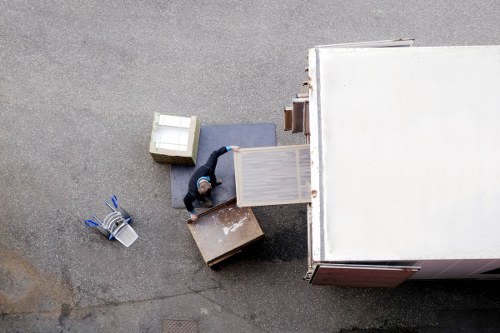
Packing efficiently reduces costs and minimizes breakages. Start early, declutter, and group similar items together. Label boxes with contents and room destination to speed up unloading and unpacking.
Highland removal companies recommend using sturdy boxes, bubble wrap, and furniture blankets for protection. For fragile items, use double boxing or wooden crates where necessary. Always inventory valuable or irreplaceable possessions.
Tip: Keep essentials separate in a clearly marked box for immediate access on arrival — medication, important documents, basic kitchenware, and a change of clothes can make the first day easier.
Costs and Quotations: What to Expect
Costs vary based on distance, volume, labour hours, and additional services such as packing or storage. When you request a quote from Removal Companies in Highland, ensure it outlines the full cost, including potential extras like stair carries or parking permits.
Highland removal firms usually offer several pricing options: hourly rates for local moves, fixed-price quotes for standard house moves, and volume-based pricing for long-distance shipments. Clarify the insurance limits and consider upgrading cover for high-value items.
Ask for a breakdown of charges. Transparent pricing helps you compare quotes fairly and avoid hidden fees. Some movers offer discounts for mid-week or off-peak moves — flexibility can reduce costs.
Insurance and Protection for Your Move
Insurance is essential. Basic public liability cover protects the mover, while goods-in-transit insurance covers your belongings during the move. Check exact terms and whether replacement or repair is offered for damaged items.
Full-value protection may be more expensive but offers peace of mind for high-value relocations. Discuss declared value and any exclusions, such as pre-existing damage or certain high-risk items.
Make photographic records of valuable items before the move. This documentation simplifies claims and demonstrates the condition of goods prior to transit.
Eco-Friendly Moving Options in Highland
Many removal companies in Highland now offer greener options to minimize environmental impact. Look for companies that use fuel-efficient vehicles, offer reusable moving crates, or practice responsible waste disposal and recycling.
Highland removal companies committed to sustainability may also partner with charities to donate unwanted items, reducing landfill waste and supporting local communities.
Choosing an eco-friendly mover aligns with modern values and often simplifies decluttering — donating or responsibly recycling unwanted goods is better for the environment and your new home.
Specialist Moves: Antiques, Pianos and Fine Art
Specialist removals require expertise. Antique furniture, pianos, and works of art may need crating, climate-controlled transport, or specialist handlers. Hire removal firms with relevant experience and certifications.
Removal Companies in Highland with specialist divisions will provide the correct packing materials and trained staff. They can advise on the safest transport route, storage conditions, and insurance for prized possessions.
If you have delicate or heavy items, obtain a bespoke estimate. A tailored plan reduces risk and ensures items arrive in the same condition they left.
Moving in Rural and Remote Highland Areas
Rural moves are common in Highland. Many residents relocate to crofts and remote cottages where access is limited. Local removal companies understand the unique challenges of narrow roads, limited turning space, and soft ground.
Highland removal firms will prepare by using smaller vehicles, additional manpower, or local subcontractors experienced with remote access. They often schedule moves outside of adverse weather windows to minimise risk.
Advance planning is vital: confirm parking, measure doorways, and discuss any potential obstacles with your mover to ensure a smooth operation on moving day.
FAQs: Quick Answers to Common Moving Questions
Q: How far in advance should I book a removal company?
A: Ideally 4-6 weeks for popular dates or long-distance moves. Short-notice local moves can sometimes be accommodated.
Q: Do movers provide packing materials?
A: Many do; some include basic materials in a package while others supply them for an additional fee.
Q: Can I move large or awkward items?
A: Yes — most Highland removal companies have equipment and expertise for pianos, safes, and oversized furniture.
Preparing Your Home for Moving Day
Preparation reduces time and stress. Clear pathways, protect floors, label boxes, and create a checklist. If children or pets are present, arrange supervision to keep them safe and out of the work areas.
Tip: Disassemble large items where possible to speed loading. Keep screws and small parts in labelled bags taped to the item to simplify reassembly.
Confirm arrival windows with your mover and provide access codes or gate instructions in advance. Good communication helps teams operate effectively and keeps the schedule on track.
Why Local Knowledge Matters in Highland Moves
Local knowledge reduces unexpected problems. Highland removal companies know about planning restrictions, traffic patterns, and seasonal challenges. They can suggest optimal times for travel and alternative routes to avoid congestion.
Highland removal companies familiar with the area can pre-arrange parking spaces or temporary permits if needed, and they often have relationships with local tradespeople for last-minute needs.
Choosing a local firm supports the community and often results in more personalised service and flexibility compared to national chains operating from afar.
Checklist: Moving Day Essentials
Use a concise checklist to stay organised. Key items include: keys, documents, chargers, medication, toiletries, and basic kitchenware for the first night.
Pack an essentials box labelled ‘Open First’ to simplify the first hours in your new home. Ensure important paperwork and valuables travel with you rather than on the moving vehicle.
Keep contact details for the removal company handy, and confirm arrival and handover procedures to prevent confusion during unloading.
Moving Checklist (Quick List)
- Book removal company and confirm date
- Declutter and donate unwanted items
- Obtain written quote and check insurance
- Pack non-essentials early and label clearly
- Prepare a first-night essentials box
Following these steps helps keep your move with Highland removal companies on schedule and reduces last-minute stress.
Contact us today to discuss your move and receive a tailored estimate designed for Highland conditions and your specific needs.
Local Relevance: Areas Close to Highland and Their Features
The Highlands cover a broad region with diverse towns and villages. Below are 12 nearby areas often served by removal companies in Highland, along with notes on proximity and features relevant to gardening services.
Each locality has distinct characteristics that affect moving logistics and garden care — from coastal exposure to soil types — making local expertise valuable.
Removal firms frequently coordinate with local landscapers, garden waste services, and planting specialists to ensure that outdoor spaces are cared for during and after a move.
Nearby Areas and Their Gardening-Relevant Features
- Inverness — The region’s largest urban centre. Proximity: ~central hub. Gardening notes: urban gardens, sheltered plots, access to nurseries and garden centres.
- Aviemore — Proximity: ~within 30–60 minutes depending on location. Gardening notes: mountain-influenced climate, shallow soils, and use of hardy alpine plants.
- Fort William — Proximity: ~western Highlands. Gardening notes: wet and windy coastal influence, importance of sheltered plantings and windbreaks.
- Nairn — Proximity: ~short drive from Inverness. Gardening notes: mild coastal climate, sandy soils, good for ornamental gardens and hardy vegetables.
- Wick — Proximity: ~northeast coastal area. Gardening notes: exposed sites, salt spray tolerant species recommended.
These areas are commonly serviced by removal companies Highland-wide and each requires tailored moving plans due to local access and garden layout differences.
More Nearby Areas
- Tain — Proximity: ~close to coastal Inverness area. Gardening notes: fertile soils near river estuaries; gardeners favour fruit trees and mixed borders.
- Beauly — Proximity: ~west of Inverness. Gardening notes: village gardens and sheltered hedging common; good for cottage-style plantings.
- Ullapool — Proximity: ~northwest. Gardening notes: coastal and rocky terrain; container gardening and hardy perennials thrive.
- Kyle of Lochalsh — Proximity: ~west, gateway to Skye. Gardening notes: maritime influence, use of native species and wind-tolerant shrubs.
Garden maintenance during moves is commonly requested; local removals often coordinate with gardeners to protect beds and potted plants.
Final Nearby Areas
- Muir of Ord — Proximity: ~west of Inverness. Gardening notes: good soils, allotments common; easy access for removal vehicles.
- Strathpeffer — Proximity: ~northwest. Gardening notes: Victorian-era gardens and terraces; careful handling of ornamental features may be needed.
- Dornoch — Proximity: ~northeast coastal. Gardening notes: sandy soils and golf-course influence; salt-tolerant and low-maintenance plantings preferred.
Each of these nearby towns and villages benefits from removal companies that understand local garden needs — from protecting hedges to moving garden furniture and planters safely.
Book your service now with a mover who knows both the roads and the gardens of the Highlands.
How Removal Companies Support Local Communities
Removal companies in Highland contribute to the local economy and community resilience. They support seasonal employment, work with local tradespeople, and often coordinate donations or recycling for items no longer needed.
Community-minded movers may partner with charities to redistribute usable furniture, or with councils for garden waste processing — helping maintain the environmental health of the Highlands.
Hiring a local firm means your move supports neighbours and ensures the company has a vested interest in protecting local roads, gardens, and properties.
Questions to Ask Before You Book
Ask prospective removal companies about insurance, experience in the Highlands, vehicle size options, and estimated timelines. Clarify cancellation policies and contingency plans for weather or road issues.
Ensure the quote is written and includes all services discussed. Confirm any requirements for parking permits or access arrangements if you live on a restricted road.
Finally, enquire about sustainable practices and how the company handles unwanted items or garden waste — environmentally conscious choices matter in rural areas.
Making the Final Decision
Select a removal company that combines local knowledge with professional standards. The best Highland removal companies offer clear communication, transparent pricing, and flexibility to handle weather or access challenges.
Look for teams that treat your home and garden with respect, securing walkways, using protective coverings, and liaising with gardeners when outdoor spaces require attention during the move.
When you choose wisely, the move becomes an opportunity to start fresh in your new Highland home with minimal disruption and confidence that your belongings and outdoor spaces are in good hands.
Final Tips and a Call to Action
Plan early, declutter, and choose local expertise. Communicate special requirements, confirm insurance, and pack strategically to reduce costs and stress. Coordinating garden protection and plant transport can make settling in much smoother.
Ready to move? Contact multiple companies, compare quotes, and discuss any garden-related concerns before you book. A good mover will offer tailored solutions that respect both your home and the Highland environment.
Contact us today to get a personalised estimate from removal companies experienced in Highland moves. Book your service now and move with confidence.