Commercial Moves in Ealing: Efficient, Reliable, and Local

Commercial moves in Ealing demand precise planning, local knowledge, and a team that understands the rhythms of West London business life. Whether you are relocating an office, retail store, or light industrial operation, the success of an office relocation often depends on logistics, timing, and minimal downtime. In this article we explore the full spectrum of considerations for commercial relocation in Ealing, from pre-move audits to specialist packing, and provide actionable tips for managers and business owners.
Ealing's diverse commercial landscape includes modern office blocks, independent retailers, and professional service firms, all of which bring unique moving needs. For commercial moves in Ealing, timing around peak traffic, parking restrictions, and local servicing hours influences how smoothly a move proceeds. This overview is designed to be both practical and search-optimized so that businesses looking for help with a business move in Ealing can get a clear, useful roadmap.
When planning a commercial move, consider the scope: are you transferring a whole headquarters, consolidating teams, or opening a new branch? Each scenario affects cost, time, and resource allocation. Our focus here is to present a balanced, actionable resource for business owners and facilities managers considering commercial moving services in Ealing and surrounding boroughs.
Why Choose Local Specialists for Commercial Moves in Ealing?

Local expertise makes a tangible difference for commercial moves in Ealing. Local movers understand permit requirements, loading bay rules, and ideal loading times that reduce disruption. An experienced Ealing commercial mover will liaise with local authorities and manage on-street logistics to avoid costly delays. Choosing a team familiar with the area ensures faster turnaround and a safer move for valuable equipment and furniture.
Business moves in Ealing often require more than boxes and trucks: IT disconnection and reconnection, secure handling of sensitive documents, and specialist handling for servers and lab equipment. A reliable commercial relocation partner brings specialist packaging, custom crating, and climate-controlled transport when needed. These services protect assets and preserve operational continuity.
Risk management is a key benefit of hiring commercial moving professionals for moves in Ealing. Comprehensive insurance options, condition checking, and professional inventory systems limit exposure to damage and loss. For managers seeking to minimise downtime during a commercial move in Ealing, a methodical project plan and a local team with strong references are essential.
Planning Your Commercial Relocation in Ealing: Step-by-Step

Step 1: Early Assessment — Start with a detailed site survey to map out furniture, equipment, and infrastructure needs. An early assessment for commercial moves in Ealing helps identify special packing materials, lifting equipment, and staffing requirements. It also exposes potential obstacles such as narrow stairwells, low ceilings, or restricted access points that could complicate a move.
Step 2: Scheduling and Permits — Book dates that avoid local traffic peaks and secure any necessary parking or loading permits. Ealing Council and local authorities may require temporary loading bay permits for large vehicles; acquiring these in advance prevents last-minute hold-ups. Efficient commercial relocation in Ealing includes coordination of permit windows and contingency plans for adverse weather.
Step 3: Inventory and IT Strategy — Create a labelled inventory and an IT migration plan. A phased disconnection and reconnection approach reduces downtime during business moves in Ealing. Professional movers often coordinate with IT teams to box, label, and transport servers, monitors, and peripherals safely while ensuring that critical systems are the last to go and the first to be re-established in the new location.
Services Typically Offered for Commercial Moves in Ealing

Professional providers of commercial moves in Ealing often include a range of tailored services: project management, secure transport, specialist packing for fragile or high-value items, and on-site manpower to move heavy items safely. Some companies supply temporary storage, document shredding, and asset disposal services as part of a full relocation package. These offerings streamline transitions and reduce the number of contractors a company must manage.
For complex moves such as labs, medical offices, or IT-heavy operations, look for specialists who provide secure, climate-controlled transport and certified handling. The right team will coordinate timing, resources, and safety measures to protect equipment and comply with industry regulations. This level of care is particularly important for commercial moves in Ealing where sensitive equipment and data integrity are core concerns.
Cost Considerations and Budgeting
Estimating costs for commercial relocation in Ealing involves assessing the scale of the move, the need for disassembly/reassembly, and any special transport requirements. Typical cost drivers include labour hours, distance, packing materials, and additional services such as storage or IT support. Obtaining multiple detailed quotes and clarifying hidden fees is essential to avoid surprises on moving day.Top Practical Tips for a Smooth Commercial Move in Ealing
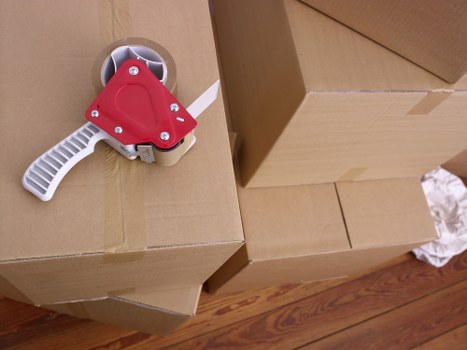
Plan early: Start planning at least 8-12 weeks ahead for larger moves. Early engagement with a commercial mover in Ealing secures preferred dates and allows for thorough planning. Create a timeline and communicate milestones to staff so everyone knows when critical changes will happen.
Label clearly: Use a consistent labelling system to mark furniture, boxes, and equipment. Clear labels speed up unpacking and re-setup, which directly reduces downtime after a commercial move in Ealing. Colour-coded labels or numbered inventories help reception and facilities teams place items in the right rooms quickly.
Communicate with staff and clients
Share a clear schedule and contingency plans with employees and stakeholders. Internal and external communication reduces confusion and maintains customer confidence during a business move in Ealing. Consider a central relocation coordinator to answer questions and maintain a running checklist on move day.Health, Safety, and Compliance for Business Moves in Ealing
Health and safety are critical for commercial moves in Ealing. Ensure your chosen movers follow appropriate lifting protocols, use PPE, and have up-to-date risk assessments and method statements. For moves that involve hazardous materials or special waste, clear procedures and licensed disposal may be required. Compliance with local regulations and industry standards reduces liability and keeps staff safe.
Insurance coverage is another essential consideration. Confirm that public liability and transit insurance cover the full value of sensitive assets during the move. For commercial relocations in Ealing that include high-value equipment, ask about valuation coverage and whether the mover offers any additional protective policies to cover all eventualities.
Secure handling of documents and data is a priority. Use locked transport options for confidential files and coordinate secure transfers for digital assets. An established commercial mover in Ealing should offer secure transfer protocols and documented chain-of-custody procedures for sensitive materials.
Equipment, Vehicles, and Access: What to Expect
Commercial moves in Ealing may require a variety of vehicles from small vans to large curtain-siders and HIAB trucks for heavy machinery. Accurate measurement of access routes and loading points is crucial to ensure the right vehicle is dispatched. On narrow residential streets or restricted commercial zones, smaller vehicles or multi-trip solutions can be safer and more efficient.
Moving heavy equipment often requires dollies, specialist trolleys, ramps, and even lifting equipment. Confirm in advance whether stair carries are needed and whether internal manoeuvres require protective floor coverings. Behaviour such as using protective hoarding in high-traffic communal areas can prevent damage and disputes post-move.
Parking restrictions and resident permit zones around Ealing Broadway, South Ealing, and other busy pockets mean that parking and loading coordination should be handled by your mover or a project manager. Advance permit applications and letters to neighbours can smooth the process for larger commercial moves.
Packaging, Labelling, and Storage Options
Quality packaging is key for commercial moves in Ealing. Use industrial-grade boxes, anti-static bags for electronics, and specialist crates for delicate machinery. Label boxes with destination zones and item-level descriptions to enable efficient unpacking and set-up at the new site. Consider a temporary storage solution if there’s a gap between move-out and move-in dates.
Many movers provide secure short- and long-term storage solutions. Climate-controlled storage can be vital for sensitive equipment or archives. For business moves in Ealing where renovation or fit-out is required at the new site, storage bridges the timing gap without compromising asset safety.
Inventory management: Use digital inventory systems or spreadsheet trackers to record every item moved. This helps with immediate verification on arrival and with any insurance claims should damage occur. A robust inventory system is one of the most valuable tools for a successful commercial relocation in Ealing.
Local Knowledge: 12 Nearby Areas and Their Gardening-Related Features
Although this article focuses on commercial moves in Ealing, local context matters — including outdoor spaces and green frontages that affect deliveries and site access. Below are 12 nearby areas close to Ealing, with notes on proximity and garden-related features relevant to property access and facilities management.
- Acton — Immediately east of Ealing; Acton has mixed residential gardens and commercial courtyards. Access points are often wide, making it easier to park loading vehicles near properties.
- South Ealing — Just to the south; smaller front gardens and terraced housing mean careful planning for street loading and safeguarding greenery during moves.
- Northfields — Northeast of Ealing; tree-lined streets and well-maintained front gardens offer pleasant surroundings, but root systems and narrow verges can restrict vehicle positioning.
- West Ealing — Central-west; a mix of commercial frontages and small courtyards that require coordinated loading times to minimize disruption to storefront planting.
- Hanwell — West of Ealing; larger green spaces and riverside planting mean more generous access in some places, but conservation areas might restrict parking modifications.
- Greenford — Northwest; more industrial and commercial properties with fewer gardens, providing easier vehicle access for bulky moves.
Continuing the Nearby Areas List
- Brentford — South-west; riverside planting and promenades mean deliveries should be planned around public access and footfall.
- Chiswick — South; affluent residential gardens and leafy streets require sensitive planning to avoid damage to planted verges and private landscaping.
- Hammersmith — Southeast; busy commercial streets with limited frontage gardens but robust kerbside management that supports scheduled loading bays.
- Shepherd's Bush — East; mixed-use area with smaller green frontages and commercial doorways that benefit from pre-arranged loading spaces.
- Isleworth — Southwest; riverside and suburban gardens mean parking is often available, but access can vary in conservation zones.
- Hounslow — West-southwest; more commercial estates and industrial parks where garden features are minimal but vehicle access is straightforward.
These local notes are useful when planning commercial moves in Ealing because garden layouts, street trees, and frontages can influence where vehicles park, how equipment is unloaded, and whether protective measures (like ground protection mats) are needed to preserve lawns and paved areas.
Choosing the Right Commercial Moving Company
Selecting a commercial mover for Ealing involves verifying credentials, experience, and service scope. Look for companies with dedicated commercial teams, clear project management structures, and a track record of successful office moves in Ealing. Ask for detailed quotes that outline labour, transport, and additional services to compare like-for-like pricing.
Request evidence of insurance, method statements, and risk assessments, and confirm whether the mover provides on-site supervisors on moving day. A well-managed business move in Ealing will have a named contact, a move plan, and contingency procedures for delays or access problems.
Checklist: Ensure your chosen partner offers inventory management, specialist packing, IT coordination, and secure transport. These essentials create a foundation for a low-stress move and help maintain business continuity throughout the relocation process.
Common Challenges and How to Overcome Them
Common challenges for commercial moves in Ealing include parking restrictions, limited loading access, and tight time windows. Overcome these by arranging permits, using smaller vehicles for last-mile deliveries, and planning multi-stage moves when necessary. Good movers will perform a pre-move survey and present staged solutions.
Unexpected problems such as delayed IT reconnections or missing access keys can be mitigated by building buffer days into your schedule and ensuring clear ownership of tasks. Assign a relocation manager internally to liaise with the mover and handle on-the-spot decisions to keep the move on track.
Weather and seasonal considerations also affect commercial moves in Ealing. Winter weather can complicate large moves, so protective coverings and robust packing become even more important. Early planning and flexible service options help reduce the impact of adverse conditions.
Final Checklist Before Moving Day
Prepare a final checklist to ensure nothing is overlooked: confirm permits, verify inventory counts, arrange parking and access, and notify staff and clients of the move schedule. Confirm the mover's arrival time, vehicle types, and expected crew numbers. A clear, printed plan given to all parties reduces last-minute confusion.
Ensure backups for critical systems, secure sensitive documents, and set designated zones for packing and unpacking. A controlled approach to circulation within premises helps keep the process efficient and safe — particularly important for busy commercial moves in Ealing where mixed-use buildings can complicate interior logistics.
On the day, maintain communication with the moving team and the internal lead. Use your inventory to check items off as they are loaded and again at delivery. This disciplined approach speeds up settling in at the new location and minimizes business downtime.
Conclusion and Next Steps
Commercial moves in Ealing are manageable with the right planning, local knowledge, and experienced partners. Prioritise early planning, professional packaging, secure transport, and clear communication to protect assets and maintain operations during relocation. Using local specialists familiar with Ealing’s particular constraints will streamline the process.
If you’re preparing for a commercial relocation in Ealing, start by arranging a professional site survey and obtaining detailed quotes. Keep a project timeline, assign an internal move coordinator, and plan IT transitions carefully. These steps will help ensure a successful move and quicker post-move recovery.
Ready to plan your move? Contact us today to schedule a site assessment and receive tailored advice for your commercial move in Ealing. Book your service now to secure preferred dates and benefit from local expertise that keeps your business moving forward.